PET y HDPE: Diferencias clave
En la industria moderna del envasado, el tereftalato de polietileno (PET) y el polietileno de alta densidad (HDPE) son los dos materiales plásticos para envases más utilizados debido a sus excelentes propiedades fisicoquímicas. Aunque ambos pertenecen a la categoría de plásticos de uso general, difieren significativamente en estructura, rendimiento y escenarios de aplicación.
Características básicas reanalizadas: diferencias fundamentales desde la apariencia hasta la resistencia al calor
1. Características de apariencia y moldeo: adaptación funcional de la transparencia y opacidad
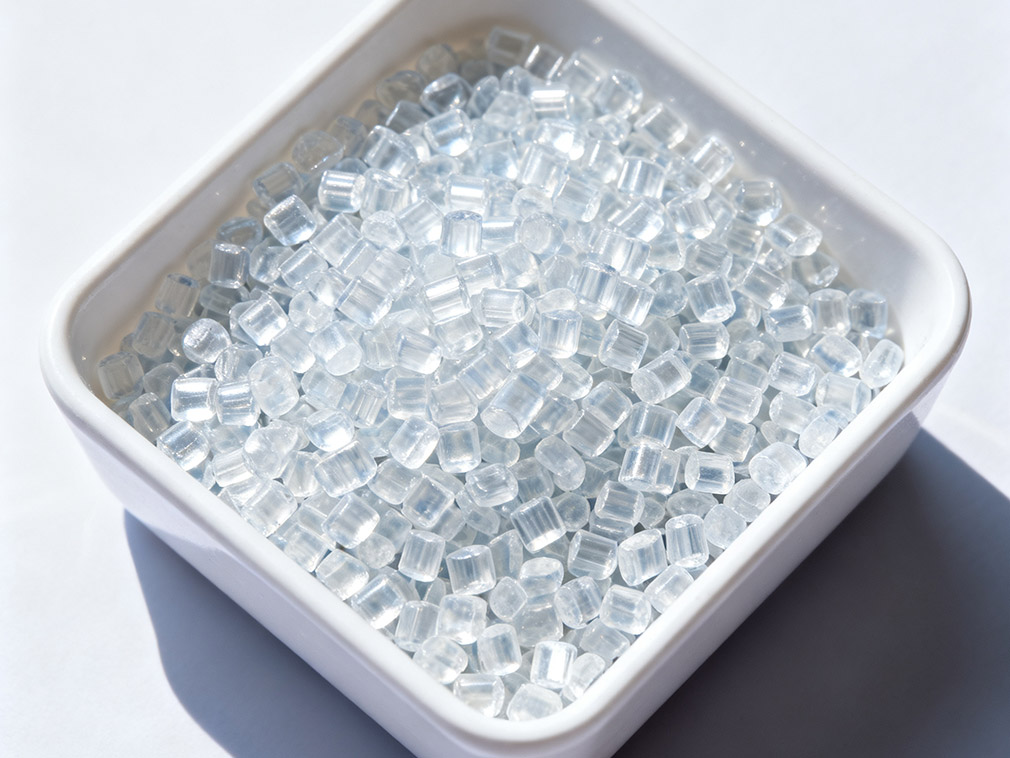
La ventaja más destacada del PET radica en su alta transparencia. Su estructura amorfa permite una transmitancia luminosa superior al 90 %, acercándose a la textura del vidrio. Esta característica lo convierte en la primera opción para envases que necesitan mostrar la forma del producto.
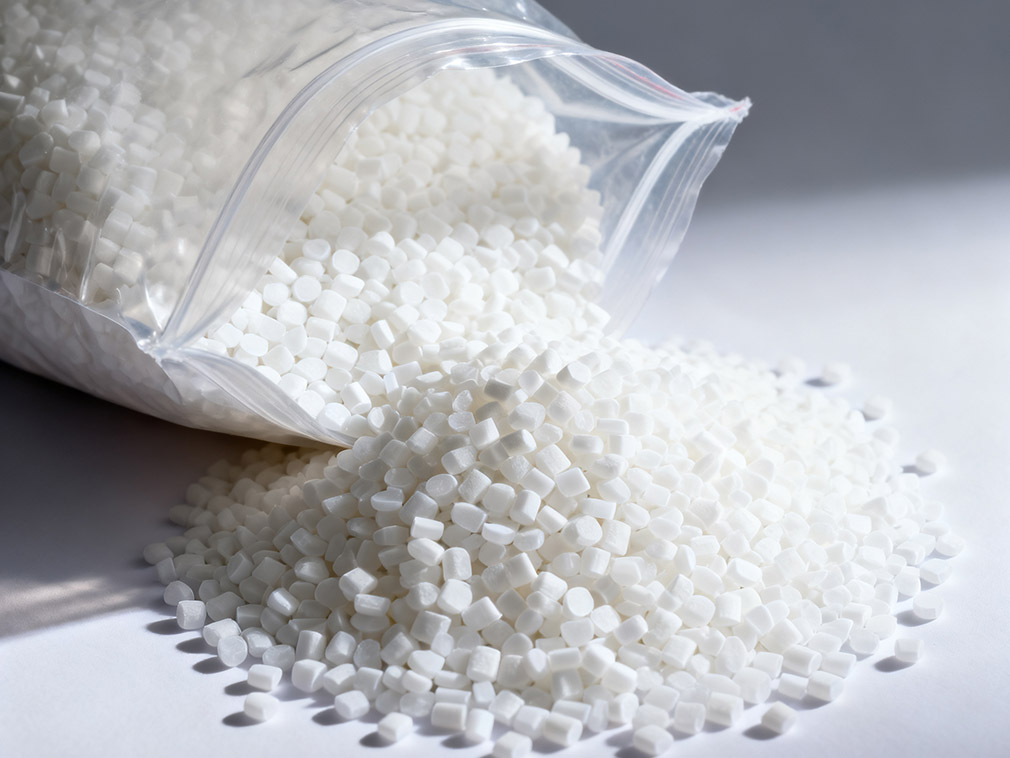
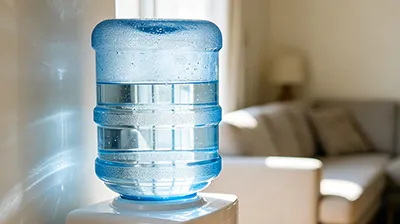
Por ejemplo, el agua embotellada, los jugos y las bebidas carbonatadas pueden exhibir claramente su color y pureza a través del envase transparente de PET, lo que potencia la intención de compra del consumidor. Al mismo tiempo, el PET tiene una excelente moldabilidad, permitiendo fabricar recipientes de diversas formas mediante procesos de moldeo por inyección y soplado. Su superficie lisa y plana facilita la impresión de etiquetas y logotipos de marca. El HDPE, con su estructura semicristalina, presenta una apariencia opaca o blanquecina y una transmitancia luminosa extremadamente baja.
Esta característica le otorga ventajas en el envasado de productos que requieren protección contra la luz, como algunos productos lácteos, aceites comestibles y pesticidas. Además, el HDPE ofrece procesos de moldeo flexibles, permitiendo fabricar recipientes rígidos (como botellas de detergente para ropa y champú) y películas flexibles (como bolsas para almacenar alimentos) mediante moldeo por soplado por extrusión. Su alta tenacidad también hace que sea menos propenso a agrietarse o deformarse durante el moldeo, lo que lo hace adecuado para la producción industrial a gran escala.
2. Rendimiento frente a la fisuración por tensión: la estabilidad estructural determina la vida útil. La fisuración por tensión es una forma común de daño en envases plásticos durante su uso, relacionada principalmente con la estructura del material, la resistencia de las cadenas moleculares y factores ambientales externos (como temperatura y reactivos químicos).
Los recipientes de PET, debido a su estructura amorfa y a los procesos especiales (como estiramiento y recocido) empleados durante la producción para suprimir la cristalización, poseen cadenas moleculares bien organizadas y compactas, resistiendo eficazmente los efectos de tensiones externas y factores ambientales, lo que resulta en una excelente resistencia a la fisuración por tensión.
En aplicaciones prácticas, las botellas de PET rara vez se agrietan o fuga incluso cuando almacenan líquidos ácidos o alcalinos (como vinagre y salsa de soja) durante largos períodos, con una vida útil de 1-2 años.
Sin embargo, el HDPE es más susceptible a la fisuración por tensión. Su estructura semicristalina genera espacios entre las cadenas moleculares, y cuanto mayor es la cristalinidad (típicamente entre 70% y 80%), más débiles son las fuerzas intermoleculares. Esto lo hace altamente vulnerable a la fisuración por tensión ambiental cuando está sometido a tensiones externas (como compresión o impacto) o contacto con reactivos químicos (como disolventes orgánicos y tensioactivos).
No obstante, la resistencia a la fisuración por tensión delHDPEpuede mejorarse ajustando su peso molecular: un peso molecular más alto da lugar a menor cristalinidad, cadenas moleculares más fuertes y, por tanto, mayor resistencia a grietas.
Por ejemplo, los tanques de almacenamiento químico hechos de HDPE de alto peso molecular pueden contener disolventes orgánicos de baja concentración, mientras que el HDPE de peso molecular ordinario es más adecuado para líquidos neutros (como agua purificada y detergentes). 3. Durabilidad y resistencia al calor: líneas divisorias clave para los escenarios de aplicación
La durabilidad se refleja principalmente en la resistencia al impacto, resistencia al desgaste y resistencia al envejecimiento del material. El HDPE tiene una resistencia al impacto significativamente mayor que el PET. Incluso en ambientes de baja temperatura (como -40 °C), mantiene buena tenacidad y no se rompe fácilmente por impacto.
Por ello, se utiliza frecuentemente para fabricar envases que deben reutilizarse o que son fácilmente impactados durante el transporte, como materiales amortiguadores para cajas de paquetería y envases para juguetes infantiles.
Además, el HDPE tiene una fuerte resistencia al desgaste, su superficie no se rayará fácilmente por fricción. También posee excelente resistencia al envejecimiento y no tiende a decolorarse ni volverse frágil tras exposición prolongada a la luz solar (con la adición de estabilizantes UV).
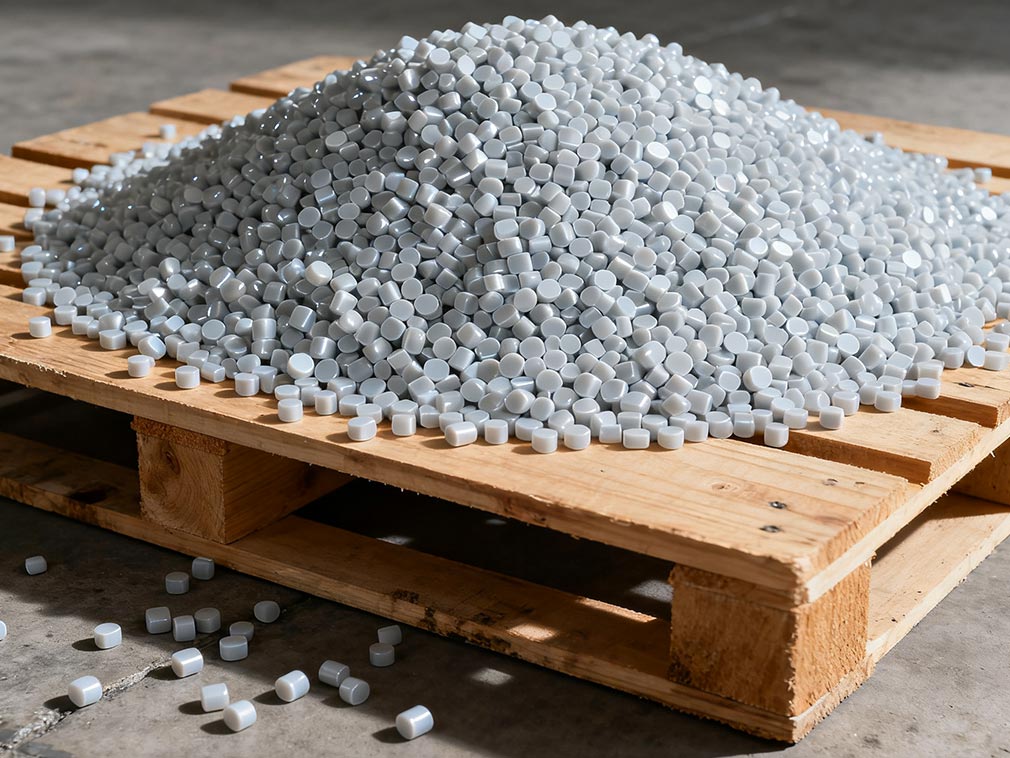
ElPET
tiene una resistencia al impacto relativamente baja, especialmente en entornos de baja temperatura. El material tiende a volverse frágil y puede agrietarse o romperse al recibir un impacto. Por tanto, es más adecuado para fabricar envases desechables o contenedores de productos destinados al transporte a corta distancia. En cuanto a la resistencia al calor, el HDPE tiene una ventaja más notable, con una temperatura máxima de funcionamiento de 160°F (aproximadamente 71°C).
Puede soportar tratamientos a temperatura media, como enjuagues con agua caliente y pasteurización, siendo adecuado para almacenar productos que requieren calentamiento (como envases tipo tazón para ciertos alimentos listos para comer) o contenedores de almacenamiento en ambientes de alta temperatura (como botellas de especias de cocina).
Por otro lado, el PET tiene una temperatura máxima de funcionamiento de solo 145°F (aproximadamente 63°C). Por encima de esta temperatura, el material se ablanda, se deforma y podría incluso liberar pequeñas cantidades de sustancias nocivas.
Por lo tanto, está estrictamente prohibido usarlo para almacenar agua caliente o para calentar. En aplicaciones prácticas, las botellas de PET se usan normalmente para almacenar productos a temperatura ambiente o bajas temperaturas, como bebidas frías, jugos y cosméticos, y deben mantenerse alejadas de la exposición prolongada a la luz solar directa o fuentes de calor de alta temperatura (como estufas y radiadores).Nuestra plataforma conecta a cientos de proveedores químicos chinos verificados con compradores de todo el mundo, promoviendo transacciones transparentes, mejores oportunidades comerciales y asociaciones de alto valor. Ya sea que busque productos básicos a granel, productos químicos especializados o servicios personalizados de aprovisionamiento, TDD-Global es confiable para ser su primera opción.