
Espaciadores de PVC en LED
El cloruro de polivinilo (PVC), un material polimérico sintético ampliamente utilizado, a menudo tiene subestimada por el público su excelente resistencia al calor. De hecho, mediante mejoras científicas en la formulación y optimización del procesamiento, la estabilidad térmica de los materiales de PVC se ha mejorado significativamente, mostrando una resistencia al calor comparable a la de plásticos de ingeniería especializados, especialmente en aplicaciones específicas.
La resistencia al calor del PVC proviene de los enlaces químicos estables formados entre los átomos de cloro y las cadenas de carbono en su estructura molecular. La fuerte electronegatividad de los átomos de cloro hace que las cadenas moleculares sean menos propensas a romperse o degradarse a altas temperaturas.
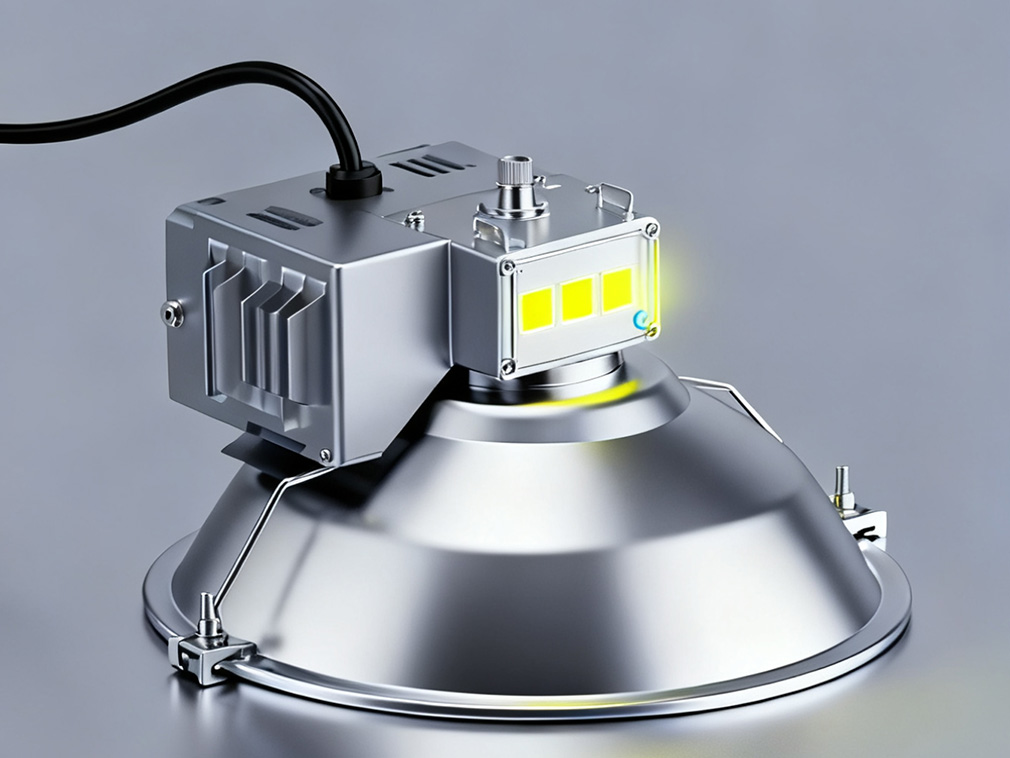
Además, la adición de estabilizantes térmicos (como estabilizantes de calcio-zinc y estabilizantes organoestánnicos) inhibe aún más la reacción de deshidrocloración a altas temperaturas, elevando la temperatura de distorsión por calor del material hasta 70-100 °C. Algunos productos de PVC modificados pueden alcanzar temperaturas de resistencia térmica a corto plazo superiores a 120 °C, perfectamente compatibles con el rango típico de temperatura de operación de los dispositivos LED.
En comparación con los plásticos tradicionales, la ventaja del PVC en resistencia al calor radica no solo en su resistencia térmica estática, sino también en su estabilidad térmica dinámica. En entornos de calentamiento continuo, la tasa de degradación de las propiedades mecánicas del PVC es mucho menor que la de plásticos de uso general como el polietileno (PE) y el polipropileno (PP).
Los datos experimentales muestran que bajo condiciones de funcionamiento continuo a 85 °C, el PVC conserva más del 80 % de su resistencia inicial a la tracción, mientras que el PE conserva solo aproximadamente el 50 %. Esta superior estabilidad térmica sienta una base fundamental para su aplicación en espaciadores LED.
Los requisitos de disipación de calor de los espaciadores LED y su compatibilidad con los materiales de PVC
Los dispositivos LED inevitablemente generan calor durante su funcionamiento, especialmente los LEDs de alta potencia (≥50 W). Su eficiencia de conversión electroóptica es aproximadamente del 30 % al 50 %, liberándose el resto de la energía como calor. Si el calor no se disipa a tiempo, la temperatura de unión del chip LED aumentará rápidamente.
Cuando la temperatura de unión supera los 120 °C, se produce una disminución significativa en la eficiencia luminosa, deriva espectral y reducción del índice de reproducción cromática. En casos graves, puede quemar directamente el chip, acortando la vida útil del LED. Por lo tanto, los espaciadores LED, como componente clave de los módulos LED, no solo deben proporcionar soporte y aislamiento, sino también asumir la responsabilidad principal de una disipación eficiente del calor.
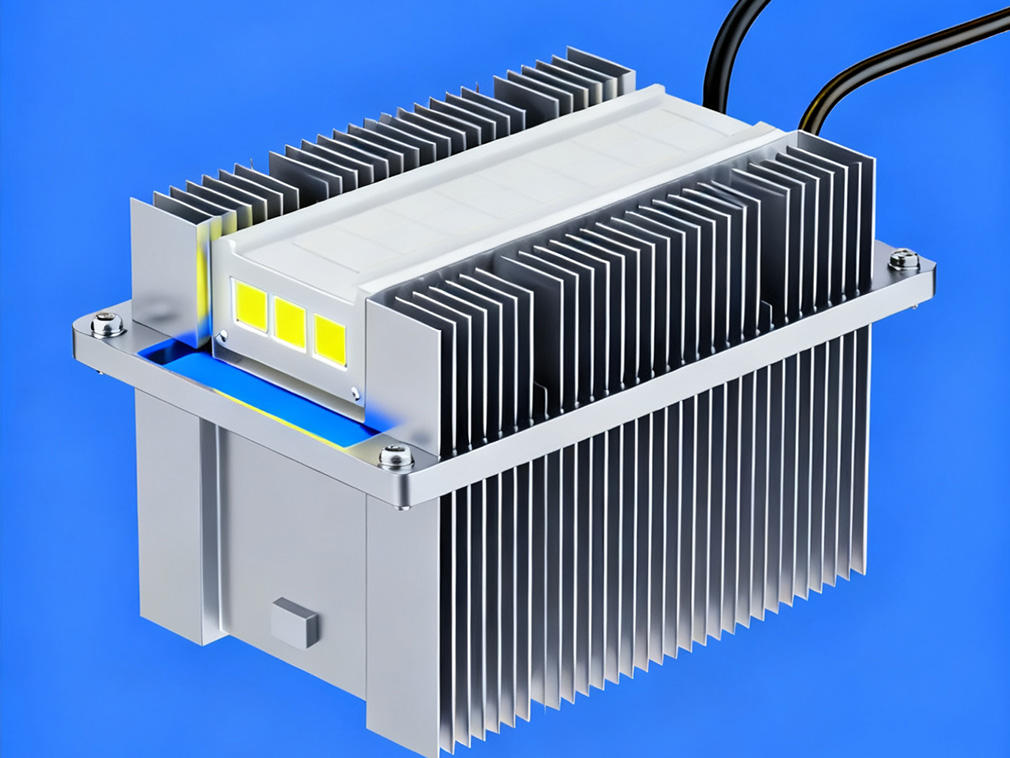
La razón por la que el material de PVC puede satisfacer los requisitos de disipación de calor de los espaciadores LED radica en su mecanismo único de conducción de calor y adaptabilidad estructural. Por un lado, aunque la conductividad térmica del PVC es inferior a la de los materiales metálicos, al añadir rellenos conductores térmicos como grafito y fibra de carbono, su conductividad térmica puede aumentar hasta 0,5-1,5 W/(m·K), lo que representa 3-10 veces más que la de plásticos aislantes tradicionales (como el ABS, con una conductividad térmica de 0,1-0,2 W/(m·K)). Esto permite una rápida conducción del calor generado por el chip LED hacia el sustrato disipador o al aire.
Por otro lado, el material de PVC posee excelentes propiedades de moldeo y procesamiento. Puede fabricarse en estructuras complejas con aletas de disipación y tiras conductoras de calor mediante procesos como el moldeo por inyección y la extrusión, aumentando así el área de disipación y mejorando el efecto de disipación por convección.
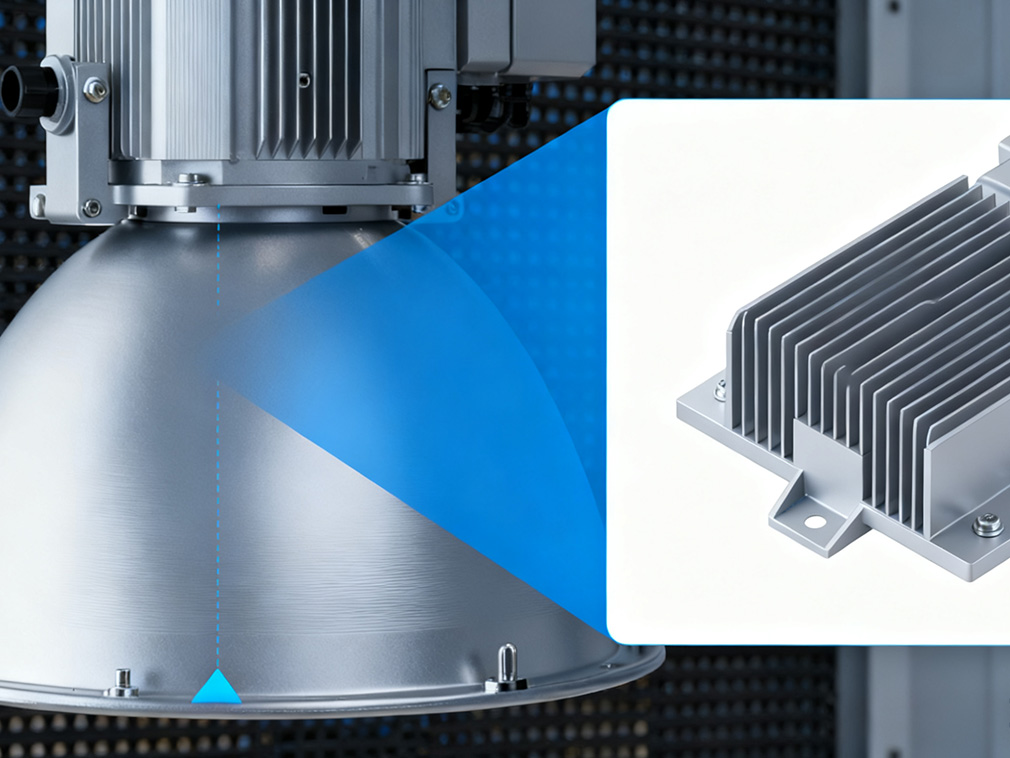
En aplicaciones de farolas LED de alta potencia, lámparas industriales y mineras, etc., los espaciadores de PVC, mediante un diseño estructural optimizado, pueden reducir la temperatura de unión del LED en 15-25 °C, mejorando significativamente la estabilidad luminosa y la vida útil de los LEDs.
Ventajas de rendimiento de los espaciadores de PVC en aplicaciones de alta potenciaPVC en aplicaciones de alta potencia
En aplicaciones LED de alta potencia, la alta temperatura ambiente y el calor concentrado imponen requisitos más estrictos sobre la resistencia térmica, disipación de calor y fiabilidad de los espaciadores. Los materiales de PVC, gracias a sus ventajas de rendimiento integral, demuestran un valor de aplicación insustituible.
Tomando como ejemplo las pantallas LED de alta potencia, su densidad de potencia puede alcanzar 200-300 W por metro cuadrado. Durante el funcionamiento, la temperatura interna del módulo suele superar los 60 °C. Si se utilizan espaciadores plásticos comunes, son propensos a problemas como deformación, envejecimiento y grietas, afectando la planitud y estabilidad de la pantalla.
Los espaciadores de PVC, mediante una formulación optimizada, mantienen la estabilidad dimensional bajo condiciones de funcionamiento prolongadas a 80 °C, con un coeficiente lineal de expansión térmica controlado por debajo de 5×10⁻⁵/°C. Esto evita eficazmente las holguras en el ensamblaje de módulos causadas por la dilatación y contracción térmica, garantizando el efecto visual de la pantalla.
En el campo de la iluminación industrial, las lámparas LED industriales y mineras de alta potencia suelen operar en entornos adversos con polvo, fluctuaciones de humedad y otras condiciones difíciles. Los espaciadores de PVC no solo poseen excelente resistencia al calor, sino también una superior resistencia a la corrosión y propiedades aislantes, resistiendo los efectos corrosivos de los medios químicos en entornos industriales, además de prevenir riesgos de cortocircuitos.
Además, los materiales de PVC ofrecen ventajas de coste significativas. En comparación con materiales disipadores de calor como cerámicas y aleaciones de aluminio, el costo de producción de los espaciadores de PVC se reduce entre un 30 % y un 50 %, y su menor peso reduce el peso total de las luminarias LED, disminuyendo los costes de instalación y transporte, lo que los hace especialmente adecuados para aplicaciones en grandes proyectos.Nuestra plataforma conecta a cientos de proveedores químicos chinos verificados con compradores de todo el mundo, promoviendo transacciones transparentes, mejores oportunidades comerciales y asociaciones de alto valor. Ya sea que busque materias primas a granel, productos químicos especiales o servicios personalizados de compra, TDD-Global es confiable y será su primera opción.












