Secretos de los aditivos del PVC
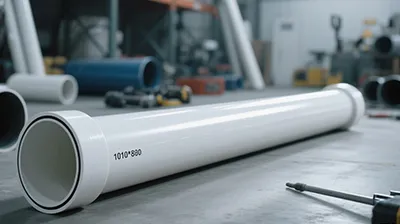
El cloruro de polivinilo (PVC), como un termoplástico de uso general, se utiliza ampliamente en tuberías, perfiles, películas y piezas moldeadas por inyección debido a su bajo costo, excelente procesabilidad y propiedades ajustables.
Sin embargo, el PVC tiene fuertes fuerzas intermoleculares, lo que resulta en una alta viscosidad fundida y mala estabilidad térmica durante el procesamiento. Esto puede provocar fácilmente problemas como la adhesión de la masa fundida al equipo, rugosidad superficial y coloración irregular. La adición científica de lubricantes es un medio técnico clave para resolver estos problemas.
Los lubricantes para PVC pueden dividirse en lubricantes externos e internos según su modo de acción. Ambos tipos se complementan entre sí, trabajando conjuntamente para garantizar un procesamiento fluido y una calidad de producto estable.
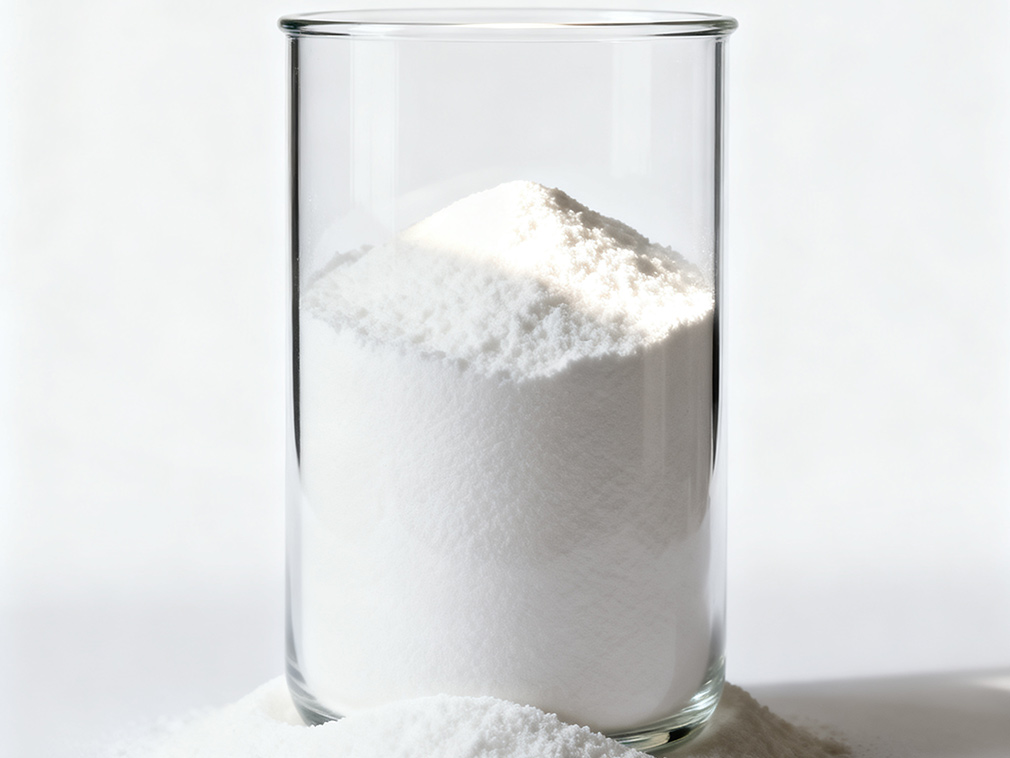
La función principal de los lubricantes externos es reducir la tensión interfacial entre el material fundido de PVC y la superficie metálica del equipo de procesamiento, formando una película lubricante y reduciendo la fricción durante el flujo del material fundido.
Estos lubricantes tienen baja compatibilidad con el PVC. Tras su adición, migran gradualmente hacia la superficie del material fundido y se adhieren a la pared interna del equipo (como el cilindro de la extrusora y la cavidad del molde), evitando la adhesión causada por el contacto directo entre las cadenas moleculares del PVC y la superficie metálica. Los lubricantes externos comunes incluyen compuestos hidrocarbonados como cera de parafina, cera microcristalina y cera de polietileno, así como amidas grasas como la estearamida y la oleamida.
Por ejemplo, los lubricantes a base de parafina tienen puntos de fusión bajos, se funden rápidamente a temperaturas de procesamiento y migran hacia la superficie, mejorando eficazmente las propiedades de desmoldeo del material fundido, lo que los hace particularmente adecuados para la producción de tuberías y perfiles por extrusión. Los lubricantes amidados grasos no solo mejoran la lubricación, sino que también aumentan la suavidad superficial, siendo comúnmente utilizados en el procesamiento de películas y piezas moldeadas por inyección.
Los lubricantes internos tienen buena compatibilidad con el PVC. Su función principal consiste en penetrar entre las cadenas moleculares del PVC, debilitando las fuerzas intermoleculares, reduciendo así la viscosidad del material fundido y mejorando su fluidez y plasticidad. Al mismo tiempo, los lubricantes internos reducen la generación de calor por fricción entre las cadenas moleculares, evitando la degradación del PVC por sobrecalentamiento durante el procesamiento a altas temperaturas y asegurando la uniformidad del color del producto.
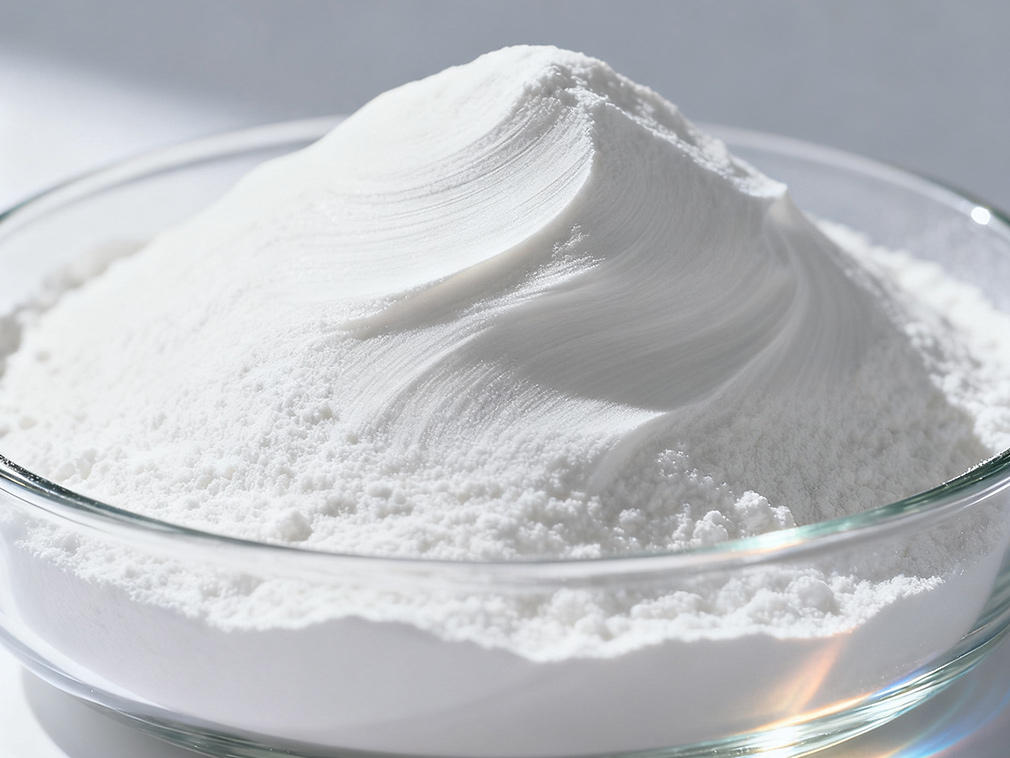
Los lubricantes internos típicos incluyen ácido esteárico, estearato de butilo y estearato de pentaeritritol. Tomando como ejemplo el ácido esteárico, los grupos carboxilo en su molécula tienen una interacción débil con los átomos de cloro en la cadena molecular del PVC.
Esta interacción separa eficazmente las cadenas moleculares, reduce la viscosidad al cizallamiento del material fundido y hace que el procesamiento sea más eficiente energéticamente. También reduce la cantidad de gas cloruro de hidrógeno producido durante la degradación del PVC, evitando defectos como amarilleo y manchas negras en el producto.
Efecto sinérgico de los aditivos
Además del lubricante principal, para optimizar aún más las propiedades mecánicas y superficiales del PVC, durante el procesamiento se requieren aditivos de procesamiento y modificadores de impacto, formando un sistema compuesto de "lubricante + aditivos funcionales", logrando un efecto sinérgico de 1+1>2.
Los aditivos de procesamiento son principalmente copolímeros de acrilato (ACR). Su función principal es mejorar la fluidez del procesamiento y la resistencia del material fundido del PVC, complementando al lubricante. La estructura molecular del ACR contiene segmentos altamente compatibles con el PVC, formando una estructura en red en el material fundido, mejorando la elasticidad y tenacidad del material fundido, y previniendo defectos superficiales como grietas en la masa fundida y piel de tiburón durante el procesamiento.Al mismo tiempo, el ACR promueve la plastificación de la resina de PVC, reduce la temperatura de plastificación y actúa sinérgicamente con los lubricantes internos para reducir aún más el consumo energético durante el procesamiento. En la producción de perfiles y tuberías de PVC, la adición de una cantidad adecuada de ACR puede reducir la rugosidad superficial del producto en más del 30 %, mientras mejora la estabilidad del moldeo del material fundido y reduce las desviaciones dimensionales, lo que lo hace especialmente adecuado para el procesamiento por extrusión de tuberías de gran diámetro y perfiles con secciones transversales complejas.Los modificadores de impacto se utilizan principalmente para abordar el problema de la baja tenacidad a bajas temperaturas en el PVC. Los tipos comúnmente usados incluyen polietileno clorado (CPE) y copolímero de metacrilato de metilo-butadieno-estireno (MBS). El propio PVC es un material frágil con baja resistencia al impacto a temperatura ambiente y tiende a romperse a bajas temperaturas, lo que limita su aplicación en entornos exteriores y fríos.
Mediante un mecanismo de "refuerzo por partículas", los modificadores de impacto forman una fase dispersa en la matriz de PVC. Cuando se somete a un impacto, las partículas de la fase dispersa absorben energía, impidiendo la propagación de grietas, mejorando así significativamente la resistencia al impacto del material.
Por ejemplo, añadir entre un 10% y un 15% de CPE a las tuberías de PVC puede aumentar la resistencia al impacto de la tubería a temperatura ambiente en 2-3 veces y su resistencia al impacto a baja temperatura (-20 ℃) en 4-5 veces, sin afectar la fluidez de procesamiento ni el acabado superficial del material.
Es importante destacar que la proporción entre el modificador de impacto y el lubricante debe controlarse estrictamente. Un exceso de lubricante podría afectar la dispersión uniforme del modificador de impacto en la matriz de PVC, reduciendo el efecto de endurecimiento; por el contrario, una cantidad insuficiente de lubricante provocaría dificultades en el procesamiento, afectando igualmente el rendimiento del producto.
Escenarios de aplicación y puntos clave para la optimización del rendimiento
La selección de lubricantes para PVC y aditivos complementarios debe adaptarse con precisión según la tecnología de procesamiento específica y los requisitos del producto. En el moldeo por extrusión (como tuberías y perfiles), es crucial equilibrar la relación entre lubricación externa e interna para garantizar buena fluidez del material fundido y propiedades de desmoldeo, evitando al mismo tiempo el desgaste del equipo por lubricación insuficiente o la precipitación superficial del producto por exceso de lubricación.
En el moldeo por inyección (como carcasas de electrodomésticos y piezas automotrices), es esencial priorizar lubricantes internos compatibles, combinados con aditivos de procesamiento ACR, para mejorar la capacidad de llenado del material fundido y reducir defectos en el punto de inyección y la contracción superficial.
En la producción de películas, se utilizan más comúnmente lubricantes externos amidados grasos. Estos proporcionan excelentes propiedades de deslizamiento a la película, evitando la adherencia entre capas y mejorando la imprimibilidad.
Además, la cantidad de lubricante añadido debe controlarse estrictamente. Generalmente, la cantidad de lubricante externo añadido representa entre el 0,1% y el 1,0% de la masa de la resina de PVC, y la cantidad de lubricante interno está entre el 0,5% y el 3,0%. Una adición excesiva puede provocar la precipitación del lubricante, afectando la adherencia superficial, la resistencia a la intemperie y las propiedades mecánicas del producto. Una cantidad insuficiente no logrará el efecto de lubricación deseado, provocando dificultades en el procesamiento y una disminución de la calidad del producto. La combinación de diferentes tipos de lubricantes también es clave para mejorar el resultado. Por ejemplo, combinar cera de parafina (lubricante externo) con estearato de butilo (lubricante interno) puede equilibrar el desmoldeo y la fluidez, adecuado para la mayoría de los escenarios de procesamiento de PVC.
Combinar aditivos de procesamiento ACR con modificadores de impacto MBS puede mejorar significativamente la tenacidad y el brillo superficial de los productos, al tiempo que mejora el rendimiento de procesamiento.
Nuestra plataforma conecta a cientos de proveedores químicos chinos verificados con compradores de todo el mundo, promoviendo transacciones transparentes, mejores oportunidades comerciales y asociaciones de alto valor. Ya sea que busque materias primas a granel, productos químicos especiales o servicios personalizados de aprovisionamiento, TDD-Global es confiable y será su primera opción.