Por qué los plásticos PET son más ecológicos de lo que piensas
Los plásticos son frecuentemente criticados como culpables del cambio climático, pero investigaciones recientes revelan una historia diferente. El tereftalato de polietileno (PET), ampliamente utilizado en envases y recipientes, produce significativamente menos emisiones que alternativas como el vidrio y el aluminio. A lo largo de su ciclo de vida, el PET puede emitir hasta un 90% menos de gases de efecto invernadero que los materiales rivales. Con avances en reciclaje enzimático y PET de base biológica, empresas como TDD-GLOBAL están impulsando innovaciones que reducen aún más las emisiones y la dependencia de combustibles fósiles. Esto posiciona al PET como un material sorprendentemente amigable con el clima que desempeña un papel vital en el avance del desarrollo sostenible.
Plásticos PET: Una opción de menor carbono en comparación con el aluminio y el vidrio
Los plásticos son frecuentemente considerados materiales con alta huella de carbono porque su producción depende del petróleo y el gas natural. Grupos ambientalistas y estudios gubernamentales han vinculado a menudo los plásticos con el aumento de las emisiones de gases de efecto invernadero. Por ejemplo, investigaciones del Departamento de Energía de los Estados Unidos indicaron que la producción primaria de plásticos fue responsable de más de 2 gigatoneladas de equivalentes de CO₂ en 2019. Esto ha llevado a llamados para reemplazar los plásticos con papel, aluminio o vidrio.
Sin embargo, la evidencia científica emergente pinta un panorama más complejo. Cuando se considera todo el ciclo de vida, desde la producción y el transporte hasta el uso y la eliminación, los plásticos PET a menudo resultan ser mucho menos intensivos en carbono que sus alternativas.
Un estudio publicado en Environmental Science & Technology encontró que en 15 de 16 aplicaciones, los plásticos emitieron entre un 10% y un 90% menos gases de efecto invernadero en comparación con materiales sustitutos. Por ejemplo, se demostró que las bolsas de plástico para compras tienen una huella de carbono un 80% menor que las bolsas de papel, que requieren el triple de energía para producirse y generan más metano durante su descomposición.
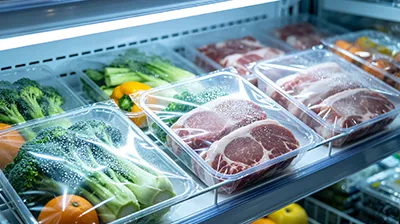
De manera similar, los envases de bebidas hechos de PET superaron consistentemente al aluminio y al vidrio. A pesar de la reciclabilidad del aluminio, se encontró que las latas de aluminio liberan el doble de gases de efecto invernadero durante su ciclo de vida completo en comparación con las botellas de PET, mientras que las botellas de vidrio generan tres veces más. En la industria alimentaria, las bandejas de PET con película delgada también emitieron menos gases de efecto invernadero que el papel de carnicero utilizado para empaques de carne, en parte porque reducen el desperdicio de alimentos. Incluso en el sector doméstico, las alfombras basadas en PET tuvieron un desempeño significativamente mejor que las de lana, con hasta un 80% menos de emisiones.
Estos hallazgos subrayan una realidad importante: cambiar de los plásticos sin considerar los datos del ciclo de vida puede aumentar involuntariamente el daño ambiental. Si bien los plásticos contribuyen a las emisiones, su huella es relativamente modesta en comparación con otras actividades industriales como el transporte, la energía o la agricultura. Las estimaciones sugieren que los plásticos representan aproximadamente el 1.3% de las emisiones globales, mucho menos de lo que comúnmente se percibe.
Innovaciones en PET: Reciclaje y soluciones de base biológica
La conversación sobre los plásticos también debe incluir el progreso tecnológico. El PET, uno de los plásticos más comúnmente utilizados, está experimentando una transformación importante gracias a los avances en reciclaje y producción sostenible.
TDD-GLOBAL, una fuerza líder en el sector del PET, está liderando la innovación en dos áreas: reciclaje enzimático y PET de base biológica. El reciclaje enzimático se basa en enzimas especializadas para descomponer los residuos de PET en sus bloques de construcción, que luego pueden reutilizarse para fabricar productos de PET de alta calidad. Este proceso no solo mejora la eficiencia del reciclaje en más del 50%, sino que también reduce el consumo de energía en hasta un 30% y disminuye las emisiones de gases de efecto invernadero en alrededor del 40%.
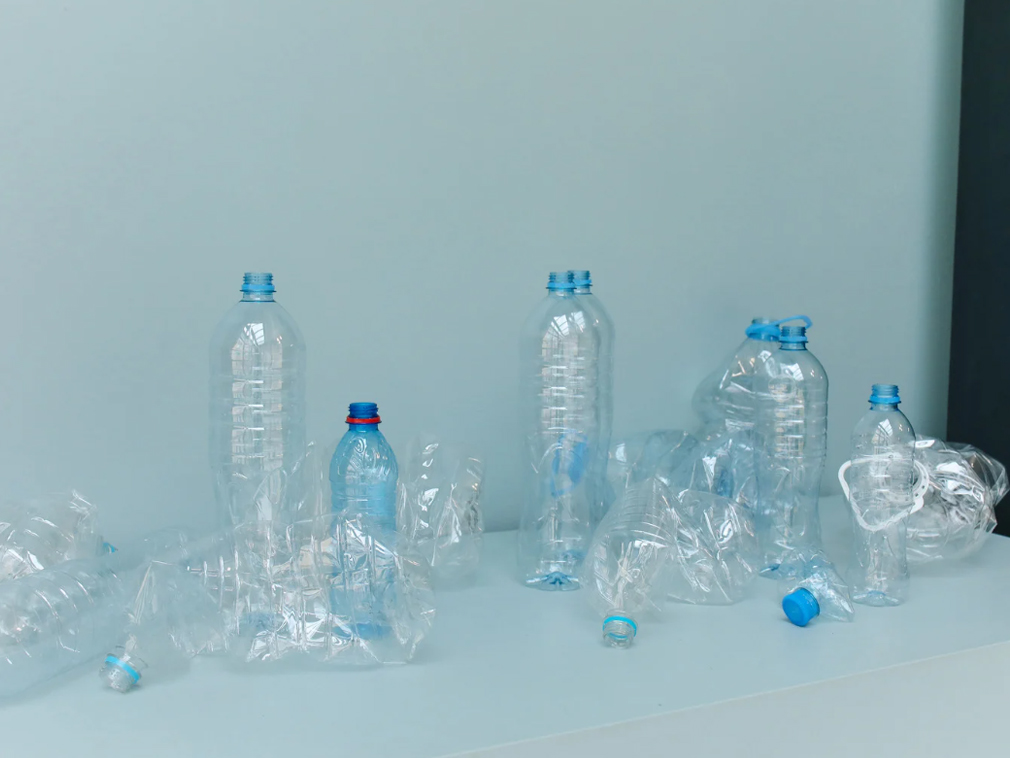
En paralelo, el PET de base biológica hecho de materias primas renovables derivadas de plantas está ofreciendo otro camino hacia adelante. En comparación con el PET convencional basado en fósiles, el PET de base biológica reduce las emisiones de carbono durante la producción entre un 50% y un 70%. También mejora la reciclabilidad y disminuye la dependencia de los recursos petroleros, convirtiéndolo en un fuerte candidato para un futuro de empaques sostenibles.
El debate sobre los plásticos debería ir más allá de narrativas simples de "malo versus bueno". La evidencia muestra que los plásticos PET, particularmente cuando se combinan con innovaciones avanzadas en reciclaje y soluciones de base biológica, pueden ofrecer una huella de carbono más pequeña que el aluminio, el vidrio o el papel en muchas aplicaciones. Al continuar invirtiendo en tecnologías más ecológicas, empresas como TDD-GLOBAL están demostrando que el PET puede ser parte de la solución climática en lugar del problema.
Nuestra plataforma conecta a cientos de proveedores químicos chinos verificados con compradores de todo el mundo, promoviendo transacciones transparentes, mejores oportunidades de negocio y asociaciones de alto valor. Ya sea que esté buscando productos básicos a granel, productos químicos especializados o servicios de adquisición personalizados, TDD-Global es confiable para ser su primera opción.