Fibras de PET: Fibras Sintéticas de Alto Rendimiento
La fibra de PET, como una categoría importante de fibras sintéticas, exhibe propiedades superiores multidimensionales debido a su estructura molecular única y tecnología de procesamiento, y se utiliza ampliamente en textiles, industria, campos médicos y más. Un análisis profundo de sus características no solo ayuda a entender las razones principales de su penetración en el mercado, sino que también proporciona dirección para la innovación futura de productos.
Desde una perspectiva física y mecánica, la resistencia y elasticidad de la fibra de PET son particularmente destacadas. Su resistencia a la rotura en seco puede alcanzar 2.6-5.7 cN/dtex, y aunque su resistencia en húmedo disminuye ligeramente, aún conserva más del 85% de su resistencia en seco. Esta característica la hace muy superior a fibras naturales como el algodón y el lino, e incluso en comparación con otras fibras sintéticas como el nylon, tiene una mayor ventaja en resistencia a la deformación por tracción bajo estrés prolongado.
En ropa deportiva cotidiana y prendas para exteriores, la alta resistencia de la fibra de PET previene eficazmente el daño causado por la fricción y el tirón frecuentes. En el campo industrial, la fibra de PET utilizada para fabricar cintas transportadoras y cuerdas cumple con las necesidades de transporte de cargas pesadas debido a su excelente capacidad de carga.
Mientras tanto, PET fibra cuenta con una alta tasa de recuperación elástica, superando el 90% cuando se somete a una deformación por tracción del 5%. Esto significa que las prendas hechas con ella son menos propensas a arrugarse y requieren menos planchado frecuente después del lavado, mejorando significativamente la comodidad. Esta es una razón clave por la cual la fibra de PET se utiliza ampliamente en telas para camisas y trajes.
La estabilidad química es otra gran ventaja de la fibra de PET. Su estructura molecular no contiene grupos activos fácilmente dañados por productos químicos, mostrando así buena resistencia a ácidos y álcalis. A temperatura ambiente, bajas concentraciones de ácidos inorgánicos como el ácido clorhídrico y el ácido sulfúrico tienen un efecto corrosivo débil sobre la fibra de PET. Incluso después de sumergirse en una solución de hidróxido de sodio al 10% durante varias horas, la pérdida de resistencia de la fibra es de menos del 10%.
Esta característica la hace adecuada para textiles en entornos especiales, como uniformes médicos utilizados en hospitales, que requieren lavados frecuentes con agua que contiene desinfectantes. Las telas hechas de fibra de PET pueden mantener la estabilidad estructural durante largos períodos, resistiendo daños y decoloración.
En la producción de ropa de trabajo en plantas químicas, la fibra de PET también puede resistir eficazmente los efectos corrosivos de soluciones ácidas y alcalinas, garantizando la seguridad de los trabajadores. Además, la fibra de PET exhibe excelente resistencia a solventes orgánicos, mostrando insensibilidad a solventes comunes como etanol, éter y acetona, ampliando aún más sus aplicaciones en materiales de filtración industrial y materiales de embalaje especializados.
En términos de rendimiento, la fibra de PET equilibra comodidad y practicidad. Su baja absorción de humedad, con una recuperación de humedad de solo alrededor del 0.4% en condiciones estándar, la hace menos propensa al crecimiento bacteriano en ambientes húmedos y permite un secado rápido después del lavado, siendo particularmente adecuada para temporadas lluviosas o actividades al aire libre.
Simultáneamente, la absorción de humedad de la fibra de PET puede mejorarse mediante procesos de modificación, como agregar grupos hidrofílicos durante la fabricación de la fibra o usar diseños de sección transversal irregular para aumentar el área de superficie específica, mejorando la transpirabilidad y permeabilidad a la humedad de las telas para satisfacer las necesidades de ropa ajustada.
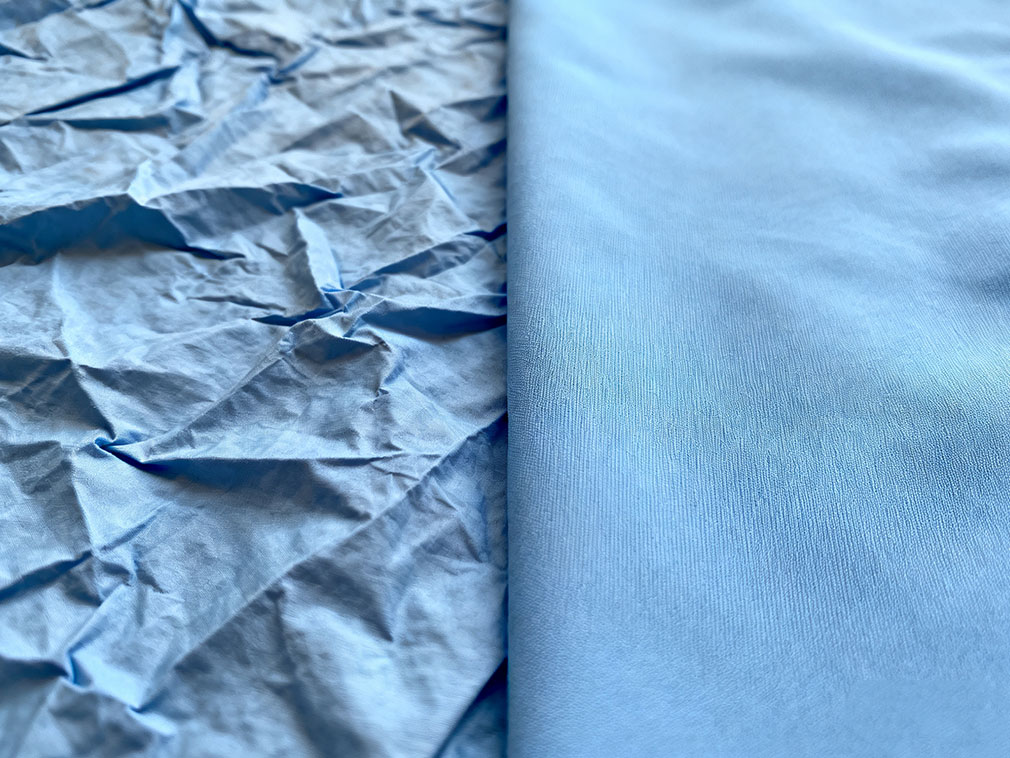
Además, la fibra de PET tiene buena resistencia a las arrugas y estabilidad dimensional. Después del ajuste térmico, la ropa puede mantener una apariencia lisa durante mucho tiempo y es menos propensa a encogerse o deformarse después de múltiples lavados, reduciendo la carga de cuidado diario.

Desde una perspectiva de procesamiento, la fibra de PET es altamente maleable y adaptable a diversas técnicas de procesamiento textil. En el proceso de hilado, la longitud y finura de las fibras de PET pueden ajustarse de manera flexible según las necesidades, permitiendo la producción de fibras de denier fino para telas de alta gama y fibras de denier grueso para textiles domésticos e industriales.
Durante el proceso de tejido, las fibras de PET exhiben buena compatibilidad con fibras naturales como algodón, lana y seda, así como con otras fibras sintéticas. Al mezclarlas en diferentes proporciones, se pueden optimizar las propiedades de las telas. Por ejemplo, una mezcla de PET y algodón conserva la absorción de humedad y transpirabilidad del algodón mientras mejora la resistencia a las arrugas y la abrasión de la tela.
Además, aunque las fibras de PET no se tiñen tan bien como las fibras naturales, se puede lograr una amplia gama de colores mediante procesos de teñido a alta temperatura y alta presión utilizando colorantes dispersos. La solidez del color también es alta, especialmente en términos de resistencia a la luz, que puede alcanzar niveles de 4-5, asegurando que la tela mantenga sus colores vibrantes durante mucho tiempo.
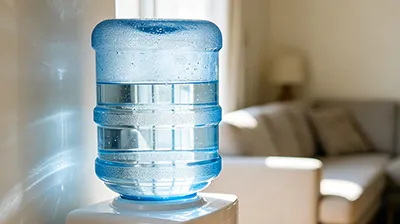
En el campo de la protección ambiental y la sostenibilidad, la reciclabilidad de las fibras de PET está cobrando cada vez más protagonismo. Con el aumento de la conciencia ambiental, la aplicación de fibras de PET recicladas se está volviendo más generalizada. Las materias primas provienen principalmente de botellas de bebidas de PET desechadas y restos textiles, que se procesan mediante trituración, lavado, fundición y hilado para producir fibras recicladas.
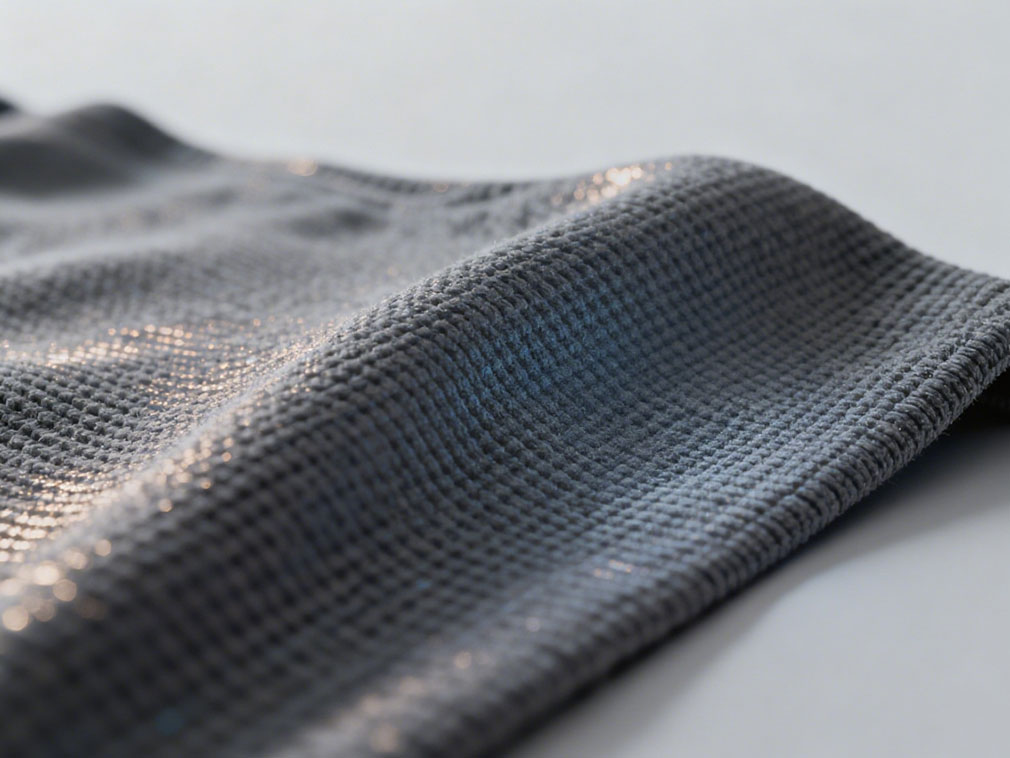
La fibra de PET reciclada tiene un rendimiento similar al de la fibra de PET virgen, y su proceso de producción reduce el consumo de energía y las emisiones de dióxido de carbono. Por ejemplo, producir 1 tonelada de fibra de PET reciclada ahorra aproximadamente 7.4 barriles de petróleo y reduce las emisiones de dióxido de carbono en aproximadamente 1.6 toneladas en comparación con la fibra de PET virgen. Actualmente, la fibra de PET reciclada se utiliza ampliamente en ropa, textiles para el hogar, bolsas y otros productos, logrando el reciclaje de recursos y proporcionando un camino viable para el desarrollo sostenible de la industria textil.
Nuestra plataforma conecta a cientos de proveedores químicos chinos verificados con compradores de todo el mundo, promoviendo transacciones transparentes, mejores oportunidades de negocio y asociaciones de alto valor. Ya sea que busque productos básicos a granel, productos químicos especializados o servicios de adquisición personalizados, TDD-Global es confiable para ser su primera opción.